
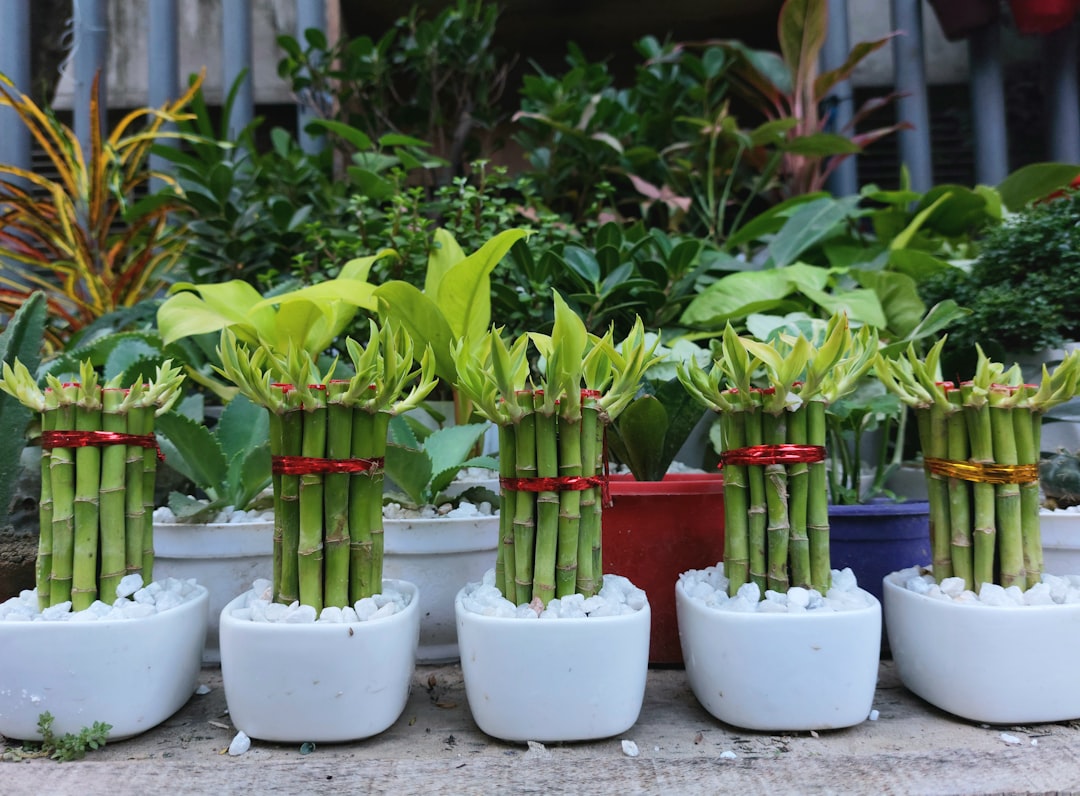
Lucky Bamboo (Dracaena sanderiana) is not a true bamboo species but rather a member of the Dracaena genus native to Central Africa’s tropical regions. It features slender stalks and green leaves, and has gained popularity as a symbol of good fortune in various cultures, particularly in Feng Shui practices. This plant is known for its resilience and adaptability, making it suitable for plant owners of all experience levels.
Lucky Bamboo can thrive in different environmental conditions and is commonly used as decorative greenery in homes and workspaces. According to traditional beliefs, the number of stalks in a Lucky Bamboo arrangement is thought to influence the type of fortune it attracts.
Key Takeaways
- Lucky bamboo can be propagated using water or soil methods.
- Proper preparation of cuttings and materials is essential for successful propagation.
- Maintaining clean water and appropriate soil conditions promotes healthy growth.
- Newly propagated plants require careful care to prevent common problems like rot or pests.
- Enjoy the aesthetic and symbolic benefits of your thriving lucky bamboo plants.
Choosing the Right Propagation Method
When it comes to propagating Lucky Bamboo, you have two fabulous options: water propagation and soil propagation. Each method has its own unique charm, and the choice ultimately depends on your personal preference and the environment you can provide. Think of it like choosing between two delightful desserts—both are sweet, but one might just tickle your taste buds a little more!
Water propagation is often the go-to method for many plant lovers. It’s straightforward, visually appealing, and allows you to watch those roots develop right before your eyes! On the other hand, soil propagation can lead to a more robust plant in the long run, as it mimics the natural habitat of Lucky Bamboo more closely.
Whichever method you choose, you’re in for a rewarding experience that will deepen your connection with this lovely plant.
Preparing the Propagation Materials

Before diving into propagation, let’s gather our materials! For water propagation, you’ll need a clean glass container—think of it as a stylish vase for your new plant baby. A clear container not only showcases those beautiful roots but also allows you to monitor water levels easily.
You’ll also want some fresh, filtered water—tap water can contain chemicals that may harm your plant. If you opt for soil propagation, grab a pot with drainage holes (because no one likes soggy roots!), some high-quality potting mix, and perhaps a little perlite or sand to improve drainage. This combination will create a cozy home for your Lucky Bamboo, allowing it to thrive just like it would in its native habitat.
Remember, preparation is key! The better your setup, the happier your plant will be.
Propagating Lucky Bamboo in Water
Now, let’s get our hands dirty—or rather, let’s keep them clean while we propagate in water! Start by selecting a healthy stalk of Lucky Bamboo. Look for one that’s vibrant green and free from any blemishes or yellowing leaves.
Using a sharp knife or scissors, cut the stalk just below a node (that’s where the leaves sprout). This is where the magic happens—roots will emerge from this very spot! Place the cut end of the stalk into your prepared glass container filled with fresh water.
Make sure at least one node is submerged; this is where those roots will sprout! 🌊 Keep your container in a spot with bright, indirect sunlight—think of it as giving your plant a cozy sunbath without the harsh rays. Change the water every couple of weeks to keep it fresh and oxygenated.
Before you know it, you’ll see tiny roots beginning to form, reaching out like eager fingers searching for nourishment!
Propagating Lucky Bamboo in Soil
| Propagation Method | Stem Cuttings |
| Optimal Cutting Length | 4 to 6 inches (10 to 15 cm) |
| Water Type | Distilled or Filtered Water |
| Water Change Frequency | Every 7 to 10 days |
| Rooting Time | 2 to 4 weeks |
| Light Requirements | Indirect sunlight |
| Temperature Range | 65°F to 90°F (18°C to 32°C) |
| Propagation Success Rate | Approximately 80% |
| Common Issues | Root rot if water is not changed regularly |
If you’re leaning towards soil propagation, let’s get planting! Start by filling your pot with the prepared potting mix, leaving about an inch of space at the top. Create a small hole in the center—this is where your Lucky Bamboo will take root!
Just like tucking in a cozy blanket, gently place the cut end of your stalk into the hole and cover it with soil, ensuring that at least one node is buried. Water the soil lightly after planting—just enough to moisten it without making it soggy. 🌧️ Place your pot in a warm area with bright, indirect light.
Soil propagation may take a bit longer for roots to develop compared to water propagation, but don’t fret! Patience is key here. As time passes, you’ll notice new growth emerging from the top as your Lucky Bamboo establishes itself in its new home.
Caring for Newly Propagated Lucky Bamboo

Congratulations on your new Lucky Bamboo babies! 🎉 Now that they’re settling into their new homes—whether in water or soil—it’s time to give them some TLFor those in water, remember to change the water every couple of weeks to prevent stagnation and algae growth. If you notice any yellowing leaves or mushy stems, it might be time for a little trim!
For those growing in soil, keep an eye on moisture levels. Water when the top inch of soil feels dry to the touch—think of it as giving your plant a refreshing drink when it’s thirsty! 🌿 Additionally, consider fertilizing every month or so with a diluted liquid fertilizer during the growing season (spring and summer) to give your Lucky Bamboo an extra boost.
Troubleshooting Common Issues
Even the most dedicated plant parents encounter challenges from time to time! If your Lucky Bamboo starts showing signs of distress—like yellowing leaves or stunted growth—don’t panic! First things first: check its environment.
Is it getting enough light? Too much direct sunlight can scorch those delicate leaves! Aim for bright, indirect light instead.
If you’re propagating in water and notice cloudy water or algae growth, it’s time for a change! Freshen up that water and give your container a good rinse. For soil propagators, ensure that your pot has proper drainage; soggy roots can lead to root rot faster than you can say “Lucky Bamboo!” If you suspect root rot, gently remove the plant from its pot and inspect the roots—trim away any mushy parts before repotting in fresh soil.
Enjoying Your Propagated Lucky Bamboo
Now comes the best part—enjoying your beautiful propagated Lucky Bamboo! 🌟 Whether you’ve chosen to display them in stylish glass containers or nestled in pots around your home, these plants are sure to bring joy and good vibes wherever they go. Consider grouping several stalks together for an eye-catching arrangement; remember that different numbers of stalks symbolize different types of luck!
Don’t forget to share your journey with friends and family! Show off those stunning roots or lush green leaves on social media—who knows? You might inspire someone else to start their own Lucky Bamboo adventure!
As you nurture these plants and watch them grow, remember that each stalk represents not just luck but also your dedication and love as a plant parent. So go ahead—embrace the joy of propagation and let your Lucky Bamboo flourish! 🌱✨
FAQs
What is lucky bamboo?
Lucky bamboo is a popular houseplant known for its easy care and attractive appearance. Despite its name, it is not a true bamboo but a member of the Dracaena genus.
How can I propagate lucky bamboo?
Lucky bamboo can be propagated by cutting a healthy stem just above a node and placing the cutting in water or moist soil until roots develop.
What tools do I need to propagate lucky bamboo?
You will need a clean, sharp knife or scissors to make the cut, a container with water or potting soil, and optionally rooting hormone to encourage root growth.
When is the best time to propagate lucky bamboo?
The best time to propagate lucky bamboo is during the growing season, typically spring or early summer, when the plant is actively growing.
How long does it take for lucky bamboo cuttings to root?
Lucky bamboo cuttings usually develop roots within 2 to 4 weeks when kept in suitable conditions.
Can lucky bamboo be propagated in water only?
Yes, lucky bamboo can be propagated in water. Ensure the water is clean and changed regularly to prevent stagnation and rot.
What conditions are ideal for rooting lucky bamboo cuttings?
Rooting is best in bright, indirect light with temperatures between 65°F and 90°F (18°C to 32°C). Avoid direct sunlight and cold drafts.
How do I care for lucky bamboo after propagation?
Keep the plant in indirect light, maintain clean water or moist soil, and avoid over-fertilizing. Change water every 1-2 weeks if grown hydroponically.
Can I propagate lucky bamboo from any part of the plant?
Propagation is most successful from healthy stems with at least one or two nodes, as roots develop from these nodes.
Is it necessary to use rooting hormone when propagating lucky bamboo?
Rooting hormone is not necessary but can help speed up root development and improve success rates.


